
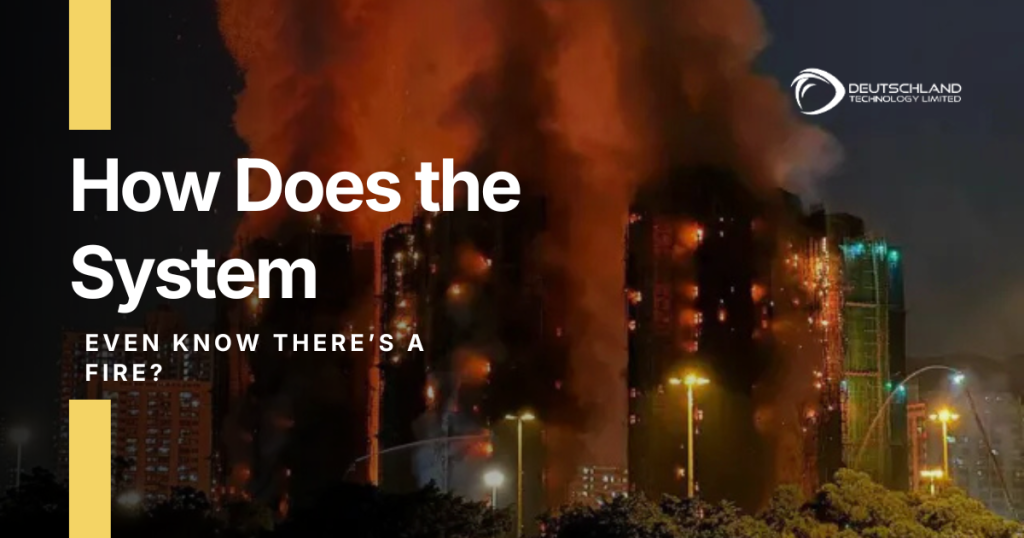
How Do Fire Detection Systems Work?
The Intelligence Behind Modern Fire Safety Systems
When a fire starts, the alarm is only the visible outcome of a much more advanced process operating behind the scenes. Modern fire detection systems are engineered to identify fire risks at the earliest possible stage, often before flames or visible smoke appear.
In today’s complex environments, including data centers, industrial facilities, and commercial buildings, relying on basic detection methods is no longer sufficient. Advanced fire safety systems now function as intelligent, integrated networks that continuously monitor environmental conditions and respond instantly to potential threats.
These systems are designed in accordance with internationally recognized standards such as NFPA, with performance validated through certifications like FM Approvals, ensuring reliability and consistency across applications.
Advanced Fire Detection Technologies
Early Detection Through Multiple Sensors
Modern fire detection systems rely on a combination of sensors to identify different indicators of fire at an early stage:
- Smoke detectors: Detect airborne combustion particles
- Heat detectors: Identify abnormal temperature increases
- Flame detectors: Use infrared (IR) and ultraviolet (UV) technologies
- Gas detectors: Monitor gases such as carbon monoxide
- Thermal imaging sensors: Detect abnormal heat patterns
Aspirating Smoke Detection (ASD)
One of the most advanced detection technologies is Aspirating Smoke Detection (ASD). These systems:
- Continuously draw air samples through a network of pipes
- Analyze microscopic particles in real time
- Detect fire at a very early stage, often before visible smoke forms
This makes ASD systems particularly suitable for:
- Data centers
- Hospitals
- Critical infrastructure facilities
Early detection enables faster intervention, significantly reducing potential damage and operational disruption.
Intelligent System Response
Beyond Detection: Automated Safety Actions
Detection is only the first step. Modern life safety systems are designed to respond automatically and in coordination with other building systems.
Once a fire is detected, systems can:
- Activate alarms and notification systems
- Shut down HVAC systems to prevent smoke spread
- Unlock emergency exits
- Activate emergency lighting
- Recall elevators to safe positions
- Notify emergency response teams
This level of integration transforms individual components into a unified fire alarm system that enhances both safety and operational efficiency.
Integration with Fire Suppression Systems
Modern fire detection systems are often integrated with suppression technologies such as high-pressure water mist systems and other advanced firefighting systems.
This integration enables:
- Immediate activation of suppression systems upon detection
- Faster control of fire development
- Reduced damage to equipment and infrastructure
In critical environments, coordination between detection and suppression is essential for minimizing downtime and protecting high-value assets.
The Role of Standards and Certification
Reliable fire safety systems are developed in accordance with strict international guidelines.
- NFPA standards define system design and performance requirements
- FM Approvals certifications validate system effectiveness under real-world conditions
Compliance ensures:
- High system reliability
- Faster response times
- Consistent performance across different environments
Maintenance and Human Oversight
Even the most advanced fire detection systems require regular maintenance and human oversight to ensure optimal performance.
Key practices include:
- Routine inspections and system testing
- Preventive maintenance programs
- Staff training and emergency preparedness
These measures ensure systems remain fully operational and ready to respond at all times.
The Future of Fire Detection Systems
Fire detection technology continues to evolve with the integration of advanced innovations, including:
- Artificial Intelligence (AI) for predictive detection
- Internet of Things (IoT) for real-time monitoring and alerts
- Smart building integration for automated control and response
These advancements are transforming traditional firefighting systems into proactive, intelligent solutions capable of identifying risks before they escalate.
Why Modern Fire Detection Systems Matter
As infrastructure becomes more complex, the importance of advanced fire detection systems continues to grow. Modern solutions provide:
- Faster and more accurate detection
- Automated and coordinated system response
- Reduced damage and operational downtime
- Enhanced protection for people and critical assets
Selecting the right system is not only a matter of compliance—it is a strategic decision that directly impacts safety, reliability, and business continuity.
Engineering Expertise by Deutschland Technology
Deutschland Technology delivers advanced fire safety systems tailored to complex environments across Egypt and the GCC.
Our expertise includes:
- Design and implementation of integrated fire detection systems
- System integration with advanced firefighting systems
- Compliance with NFPA standards and FM Approvals
- Customized solutions for critical infrastructure
We ensure that every system operates with maximum reliability, accuracy, and efficiency.
Frequently Asked Questions
- How do fire detection systems detect fire early?
They use a combination of sensors, such as smoke, heat, flame, and air sampling technologies to identify fire indicators at early stages. - What are integrated fire safety systems?
They are systems where detection, alarms, and building controls work together automatically to respond to fire incidents. - Are modern fire detection systems suitable for all buildings?
Yes, but they must be designed based on the specific risks and requirements of each facility. - Do fire detection systems require maintenance?
Yes, regular testing and maintenance are essential to ensure proper functionality. - What is the future of fire detection systems?
Emerging technologies such as AI and IoT are making systems more predictive, connected, and efficient.
Conclusion
Modern fire detection systems go far beyond traditional alarms. They are intelligent, integrated solutions designed to detect fire risks early, respond instantly, and protect both people and assets.
As fire risks continue to evolve, adopting advanced fire safety systems is essential for ensuring operational resilience and long-term safety.
Deutschland Technology delivers engineered fire protection and detection solutions for the most demanding environments across Egypt and the GCC.
Contact Deutschland Technology to design and implement advanced fire detection and integrated safety systems tailored to your facility, ensuring maximum protection with minimal operational disruption.